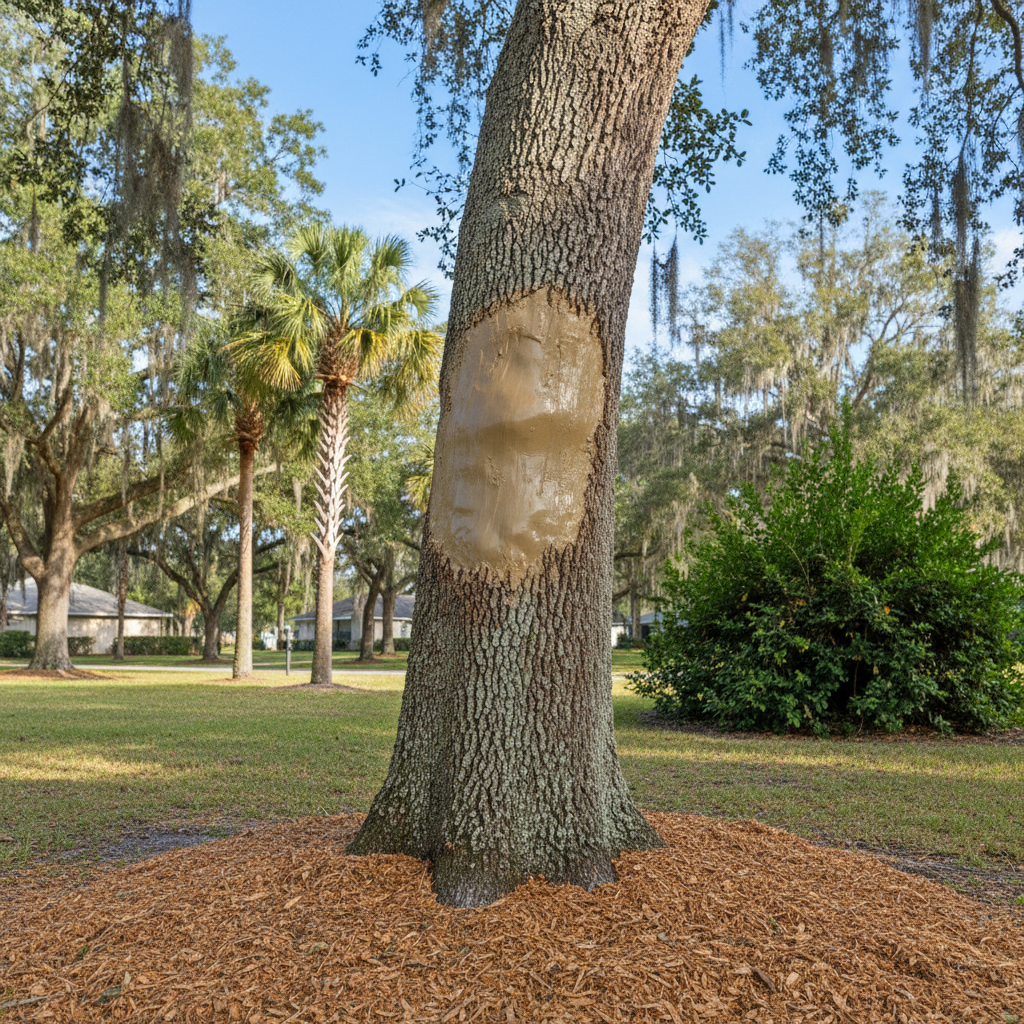
Alright, let's talk about trees. As a local here in Clermont, I've honestly seen just about everything our trees go through, the good and the bad. We've got these beautiful oaks, palms, and all sorts of other greenery that truly make our city special, but here's the thing: they need the right kind of attention to stay healthy. I get a lot of the same questions from folks around Lake County, so I figured it was time to just lay it all out there. This isn't marketing fluff, not at all; this is what I've learned working with trees right here, day in and day out.
What are the most common tree diseases and pests I should watch out for in Clermont?
Florida's warm, humid climate is great for growing all kinds of stuff, which is lovely. But it's also, unfortunately, a perfect breeding ground for diseases and pests. You've really got to be vigilant, especially with our long growing season. Here's what I see most often, the things that keep me busy:
- Laurel Wilt Disease: This one's a real killer, especially for redbay trees and others in the laurel family. It spreads fast through beetles carrying a fungus, and it's pretty devastating. You'll see rapid wilting and dark streaks in the sapwood, and the tree can die in just a few weeks. There's no cure once it takes hold, but removing infected trees early on can help slow its spread in the area.
- Ganoderma Butt Rot: This fungal disease attacks the very base of trees, making them weak and unstable. This is a serious problem because a weak base means a tree could fall. Look for white or brown mushrooms, what we call conks, growing on the trunk and soft, rotting wood at the base. If you spot this, that tree's usually a goner and needs to come down before it becomes a hazard.
- Oak Wilt: This fungal disease messes with an oak tree's internal water transport system, causing leaves to wilt, turn brown, and drop prematurely. It spreads through root systems and beetles, so if you've got a lot of oaks on your property, it can move quickly from one to another.
- Root Rot: This is super common here, honestly, because of our high humidity and heavy rainfall, especially in poorly drained soils. Fungi attack the roots, and then the tree simply can't absorb water and nutrients like it should. You'll see yellowing leaves, stunted growth, and sometimes fungal growth near the base. Improving drainage helps, but sometimes you really need a professional to step in.
- Sooty Mold: This is a black, soot-like coating that shows up on leaves and branches. It's not the disease itself, which is worth knowing, but it's a clear sign you've got pests like aphids or whiteflies secreting sticky honeydew. The mold blocks sunlight, which in turn weakens the tree over time.
- Aphids: These are tiny, soft-bodied insects that suck the sap from leaves, causing them to yellow, wilt, and curl. They reproduce fast, so an infestation can get out of hand quickly, before you even realize it. You'll often see that sooty mold I just mentioned as a secondary sign, a kind of double whammy.
- Pine Bark Beetles: These guys usually go after stressed or dying pine trees, burrowing into the inner bark. They can girdle the tree, essentially cutting off its circulation, and introduce fungi that block water flow.
How often should I water my trees in Clermont's climate?
This is a big one, and it honestly depends on a few things: the tree's age, its species, and the time of year. Our sandy soils here in Clermont drain pretty fast, which is a factor you always have to consider.
- Newly Planted Trees (first 2 years): These need the most attention, for sure. For the first couple of weeks, water daily or every other day, making sure the whole root ball gets soaked through. Then, for the next few months, every 2-3 days should do it. After about two months, you can usually scale back to once a week, but make it a really deep soak.
- Established Trees: Once a tree is established, it's much more resilient. During our wet season, natural rainfall usually does the trick just fine. But in the dry season, especially if it's over 90°F and we haven't had rain in 10 days or more, your trees will really appreciate about an inch of water per week, applied deeply to the root zone.
- Important Note: The City of Clermont has mandatory irrigation schedules, which is something everyone needs to know. You can't water between 10 a.m. and 4 p.m. any day, and there are specific days for odd and even-numbered addresses. Hand watering with an automatic shut-off nozzle is usually okay anytime, though. Always follow these local rules; they're there for a reason.
Do I need to fertilize my trees, and if so, how often?
It's not always a simple yes or no answer, honestly. Many established trees, especially if they're in a lawn that's already getting fertilized, can find enough nutrients on their own. Their root systems are pretty extensive, after all.
For younger trees, a balanced fertilizer can certainly help with growth. But for mature trees, adding a lot of nitrogen might not be necessary and can even be counterproductive, forcing them to put energy into new growth when they should be maintaining what they already have. Our sandy Florida soils can sometimes be nutrient-poor, so if you see signs of deficiency like yellowing leaves, that's when you want to look at specific treatments. It's best to get a soil test to see what your trees actually need before just throwing fertilizer down. You can find local garden centers in Clermont that carry a variety of fertilizers, and they can often help you interpret the test results too.
How can I tell if my tree is stressed?
Trees communicate, believe it or not; you just have to know what to look for. Stress makes them vulnerable to everything else, so catching it early is key to keeping them healthy.
- Leaf Problems: Look for leaves that are wilting, turning yellow or brown prematurely, dropping early, or have an inconsistent canopy (sparse areas). Scorching or early fall colors are also red flags that something isn't right.
- Branch Dieback: Dead branches, especially at the tips of the canopy, or what we call "flagging," definitely mean something's wrong.
- Mushrooms or Fungi: If you see mushrooms growing at the base of your tree, or discolored fungal growth on the trunk, that's a clear sign of decay.
- Cracks or Splits: While minor ones can heal over time, large cracks or splits in the trunk or branches can indicate serious decay or storm damage.
- Leaning: If a tree suddenly starts leaning, it could be storm damage or a root system issue. This is something to address quickly.
- No Visible Root Flare: The base of your tree should gently flare out where it meets the ground, like a natural transition. If the trunk goes straight into the soil like a telephone pole, it might have been planted too deep or has soil piled up against it, which can cause root problems.
What are the best trees to plant in Clermont, FL?
You want trees that can really handle our heat, humidity, and occasional storms, right? Here are some solid, reliable choices that do well in Central Florida, ones I see thriving all over the place:
- Live Oak: A classic for a reason. They provide amazing shade, are wind-resistant, and live a long, long time. They're slower growers, but honestly, they're worth the wait.
- Southern Magnolia: Beautiful with their glossy leaves and fragrant white flowers. They get big and offer good shade, a real showstopper.
- Bald Cypress: These are native and can handle wet or dry conditions, which is pretty versatile. They're deciduous conifers, so they lose their needles in the fall, which turn a nice orange-red color.
- Crape Myrtle: Sturdy, colorful, and versatile. They come in various sizes and have beautiful white, pink, purple, or red flowers. You can prune them to stay smaller too, if you need to.
- Citrus Trees (Orange, Lemon, Lime, Grapefruit): These thrive in our climate and sandy soil, giving you fresh fruit right in your backyard. Just make sure to protect young ones from frost, especially when they're small.
- Mulberry: Fast-growing, hardy, and productive. They adapt well to our climate and soil and don't need much maintenance, which is a plus for busy homeowners.
- Fig: Dependable and low-maintenance. They tolerate heat and a range of soil conditions, and they're pretty resistant to pests and diseases, generally speaking.
Can tree roots damage my home's foundation or plumbing?
This is a common concern, and it's smart to think about it. Generally speaking, tree roots don't break through solid, intact foundations or pipes. However, they are opportunistic, which means they're always looking for an easy way in. If you've got existing cracks in your foundation, or tiny leaks in your plumbing, roots will find their way in because they're always searching for water and nutrients.
Once inside, they'll grow, and that growth can expand those small openings, leading to bigger problems down the line. In our sandy Clermont soil, roots spread out wide, often two to three times the canopy's width, and stay relatively shallow. This means a tree that looks far from your house might still have roots underneath your driveway, walkways, or even your foundation — something most people don't think about until it's too late.
Roots can also cause damage by affecting soil moisture. As they grow, they displace soil, creating uneven conditions around your foundation. They also suck up a lot of water. If the soil under your house dries out unevenly because of roots, it can cause the foundation to shift or settle, leading to cracks in walls, uneven floors, or sticking doors and windows. If you're worried, honestly, have a professional from Tree Solutions Of Clermont Florida take a look. We can assess the situation and recommend solutions like root barriers or selective root pruning if needed.
Do I need a permit to remove a tree in Clermont, FL?
Yes, you usually do, which is important to remember. The City of Clermont requires a permit to remove most trees. It's not a statewide free-for-all; local governments set their own rules, and Clermont definitely has them in place.
You or your tree contractor will need to submit an application, often including a site plan showing where the tree is, its size, and why you want it removed. The city's Building Department will review it. Sometimes, depending on the size of your lot and the number of trees, you might even have to replace the removed tree, which is part of the process. There's a permit fee, too, usually around $25. Don't try to just take a tree down without checking first; you could face fines and other issues, and nobody wants that. It's always best to get the proper authorization, trust me.