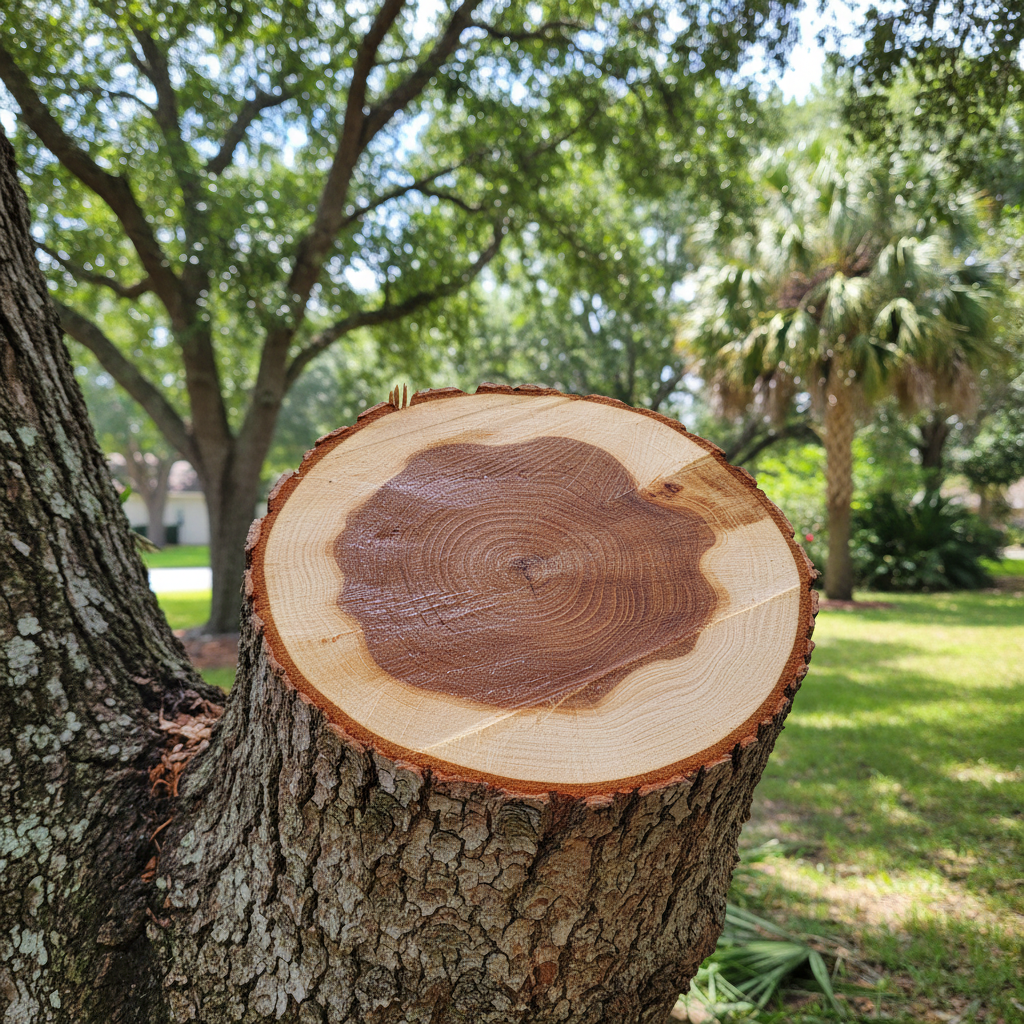
Alright, let's talk about pruning trees. I see a lot of folks around Clermont, especially in those newer developments with smaller lots, trying to keep their trees looking sharp. It's a good impulse, wanting to maintain your property, but there's a big difference between a little snip-snip and a full-on tree surgery. I'm going to lay out what you can realistically do yourself and, more importantly, when you absolutely need to call in a professional like us at Tree Solutions Of Clermont Florida.
Before You Even Grab the Pruners
First things first, know your tree. What kind is it? When does it typically bloom? Pruning at the wrong time can actually hurt the tree, reducing flowering or even stressing it out. Generally, for most deciduous trees, late winter or early spring, before new growth starts, is ideal. For flowering trees, you usually prune after they've finished blooming. Citrus trees, common around here, often get a light prune after harvest.
Next, look at the size of the branch you're thinking of cutting. If it's thicker than your thumb, you might be getting into pro territory. Anything you can cut with hand pruners or a small lopper is usually okay for a homeowner. Once you're pulling out a pole saw or a chainsaw, you need to be really, really careful.
Safety is huge. I can't stress this enough. You're going to need good gloves, safety glasses, and sturdy shoes. Don't even think about climbing a ladder with a chainsaw. Just don't. And always, always look up. Are there power lines nearby? If so, stop right there. That's a job for the utility company or a certified arborist with specialized equipment and training.
What You Can (Probably) Do Yourself
There are definitely some pruning tasks that are safe and beneficial for a homeowner to handle. These are usually about maintaining the tree's health and appearance, not major structural changes.
- Deadwood Removal: If you see branches that are clearly dead – no leaves, brittle, or discolored – you can usually snip those off. They're not doing the tree any good and can be a hazard. Just make sure the cut is clean and doesn't tear the bark.
- Crossing or Rubbing Branches: Sometimes, two branches grow in a way that they rub against each other. This creates wounds that can invite pests and diseases. Pick the weaker or less ideally placed branch and remove it.
- Suckers and Water Sprouts: Suckers grow from the base of the tree or its roots, and water sprouts shoot straight up from branches. These are often weak, fast-growing, and don't contribute much to the tree's health or structure. Get rid of 'em.
- Minor Shaping: If a small branch is growing into your house or blocking a walkway, and it's small enough for hand tools, you can trim it back. Just make sure you're not removing more than about 25% of the tree's canopy in a single year.
When you make a cut, always aim for the branch collar – that slightly swollen area where the branch meets the trunk or a larger branch. Don't cut flush with the trunk, and don't leave a stub. A clean cut at the collar helps the tree heal properly.
When to Call a Professional (Like Us!)
This is where a lot of homeowners get into trouble. There are some jobs that are just too big, too dangerous, or too complex for a DIY approach. Trust me, I've seen the aftermath.
- Large Branches: If a branch is too heavy to hold with one hand while cutting, or if you need a ladder to reach it, it's time to call a pro. Falling branches can cause serious injury or property damage.
- Branches Near Power Lines: I already mentioned this, but it's worth repeating. This is incredibly dangerous. Don't touch it. Call the power company first, then a tree service.
- Storm Damage: After a good Florida thunderstorm, you might have broken or hanging branches. These are unstable and can fall unexpectedly. Let the experts handle it.
- Tree Health Concerns: If your tree looks sick, has significant decay, or you're not sure why it's losing leaves, an arborist can diagnose the problem and recommend the right course of action. Improper pruning can worsen a sick tree's condition.
- Major Structural Pruning or Tree Removal: If you're looking to significantly reduce the size of a large tree, remove a large portion of its canopy, or take the whole thing down, you absolutely need professionals. We've got the equipment, the training, and the insurance to do it safely and correctly. Especially with the sandy soil we have in some parts of Clermont, a big tree can be unpredictable if it's not handled right.
- Trees Overhanging Structures: If a large branch is hanging over your house, garage, or a neighbor's property, the risk of damage if something goes wrong is too high for a DIY job.
After the Pruning
Once the cuts are made, clean up your tools. Don't use wound dressings or paints on tree cuts; studies show they actually hinder the tree's natural healing process. Just let the tree do its thing. Keep an eye on the tree over the next few weeks and months to make sure it's healing well and not showing signs of stress.
Look, I get it. Saving a buck is always appealing. But when it comes to tree work, especially anything that involves ladders, chainsaws, or big branches, the risk isn't worth it. A small mistake can lead to a big hospital bill or worse. If you're ever in doubt, or if the job just feels too big, give Tree Solutions Of Clermont Florida a call. We're here to help keep your trees healthy and your property safe.